
The essence of strategy
is choosing what not to do.
Most strategy fails not because it's wrong — but because it tries to do too much. The brief is too wide, the positioning covers every base, the idea gets diluted before it reaches the page. My job is to find the single true thing and cut everything else until only that remains.
I've done this for governments, multinationals, NGOs and startups across five continents. The problem is always the same: too much noise, not enough signal. The answer is always the same too — find the insight nobody else has looked at, build the architecture around it, and hold the line when everyone wants to add more back in.
That's not a methodology. It's a discipline.
HOW I THINK
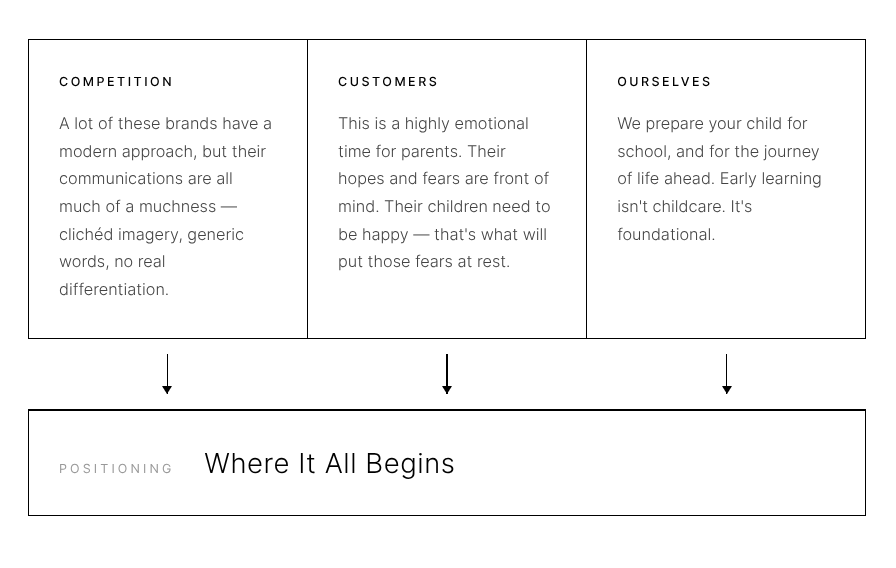
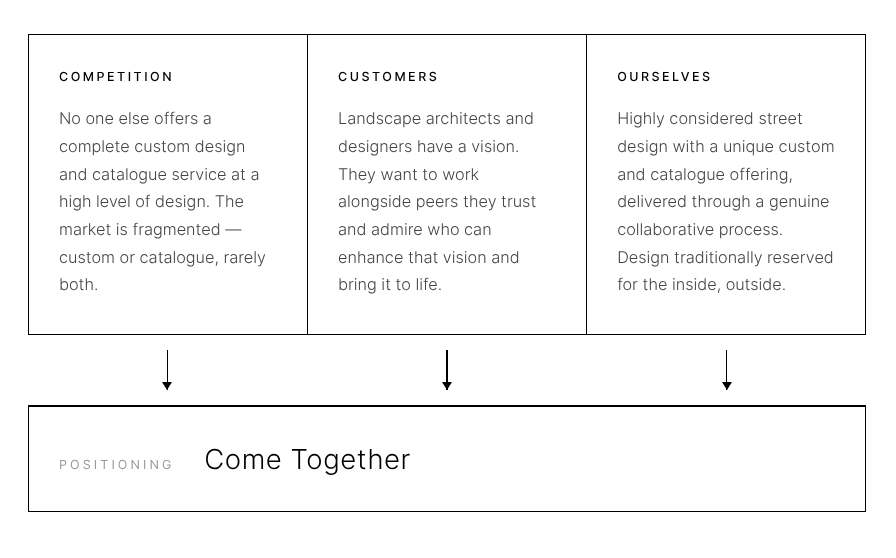
Every strategy starts with three questions: what does the competition own, what does the audience actually want, and what is the one true thing about this brand? Where those three things meet — that's the position. Everything else gets cut.
I call it the strategy of subtraction. Not because simplicity is a style preference, but because every brief I've ever seen has been too wide, every strategy has tried to say too much, and every campaign that's failed has done so because the insight got diluted somewhere between the deck and the execution.

Featured BRAND STRATEGY
Different sectors. Different audiences. Different problems. But the approach doesn't change: find the truth at the centre of the business, then build everything outward from there. That's what good strategy does — it makes the answer feel obvious in hindsight.


Journey Early Learning
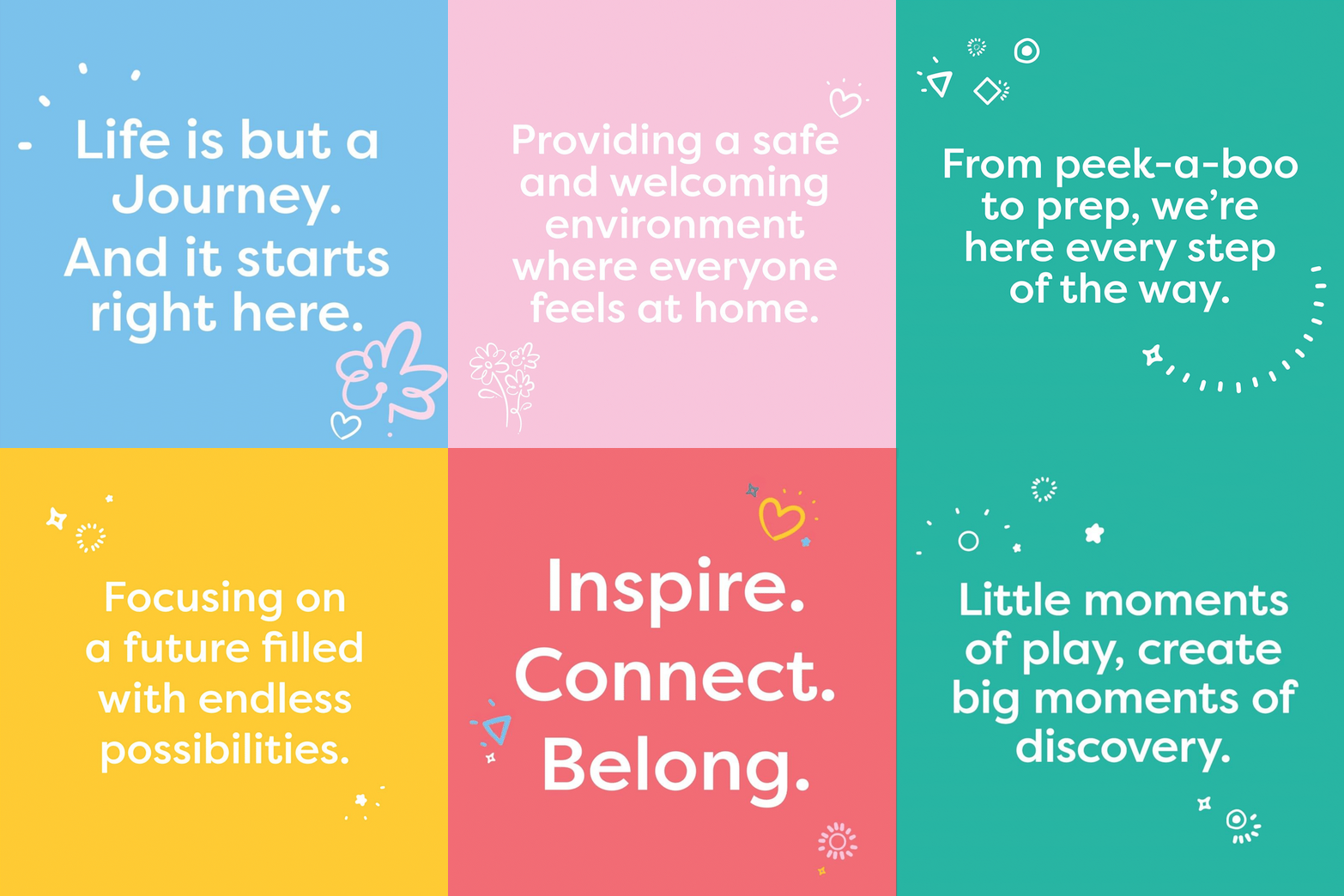
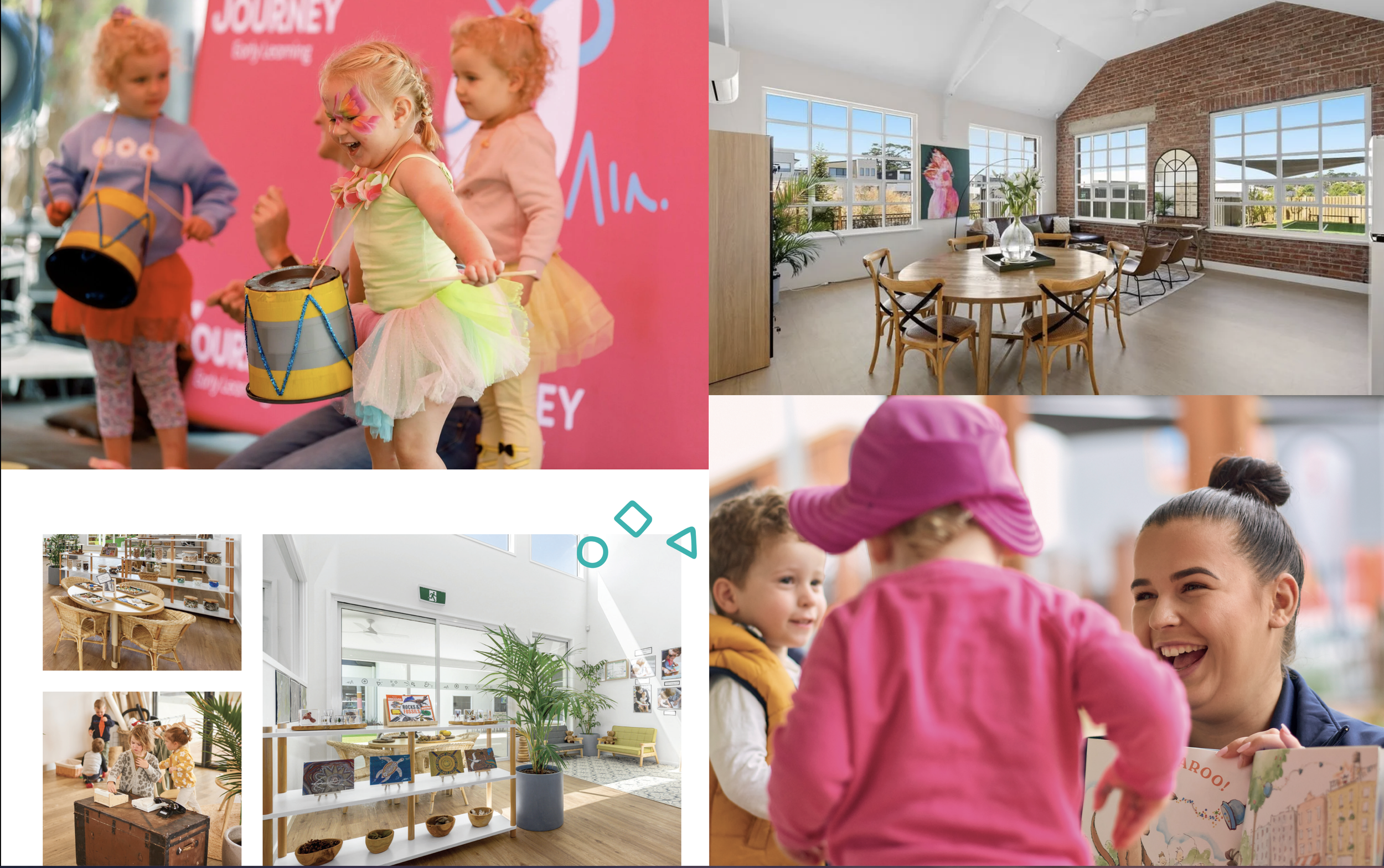
A brand with mixed messages and no clear identity. The expected answer was a bigger, more complicated rebrand. We did the opposite — cut everything back to the single truth at the heart of the business. Early learning isn't childcare. It's where it all begins.
From that one insight: brand positioning, personality, tone of voice, social strategy, web UX, content strategy and COVID-19 rollout.
Then a sub-brand, Future Foodies, built around a proprietary positioning framework — three inputs (competition, customers, brand truth) → one position: For the Love of Food. Brand launched nationally across new centre openings with PR, influencer, events and digital. Journey has gone from 17 centres to 47.

Outside Assembly
Two street designers breaking away from established firms and entering a market full of corporate voices. The temptation was to position around craft. We positioned around process — because their genuine collaboration model wasn't just a nice-to-have, it was the only thing nobody else in the category could claim. Made their way of working the brand story rather than a feature of it. Successfully launched into a competitive market with a voice that resonated immediately with both clients and communities.



“They came with a clear strategy, and I knew from the start where we were going, and how long it was going to take. They helped us with our brand. It started with our logo and our key messages that were consistent across our business. It’s evolved into our digital strategy, our marketing mix, our video strategy. It’s just been endless, and it’s really exciting where it can go from here.”
— Ryan Meldrum, CEO Journey
Expertise
Brand Strategy
Finding the single idea that makes everything else coherent — and connecting it directly to commercial outcomes. Not brand for brand's sake. Brand that earns its place in culture and on the P&L.
Behaviour Change
You can't tell people what to do — you have to make them want to. Deep understanding of audience psychology, the right cultural moment, and what actually shifts behaviour versus what just earns awards.
Cultural Insight
Real understanding of how people think, what they share, and what they reject — and why it matters to the brief. Particularly strong with Māori and Pasifika communities, where trust is built through genuine cultural fluency, not demographics.
Campaign Integration
Ideas that hold their spine across every channel — hero film to TikTok to OOH — without becoming a different thing in every format. Proven across government, NGO, and commercial briefs where effectiveness was the only measure that mattered.
AI Integration
QA Lead on Google Bard — the AI that became Gemini. I was building quality frameworks for AI before most agencies had a policy about it. I know where it accelerates strategy and where it erodes it. I use it to move faster without thinking less.